
February 17, 2025
February 17, 2025
February 17, 2025
February 17, 2025
“Waste is not just trash it is lost resources and lost responsibility”
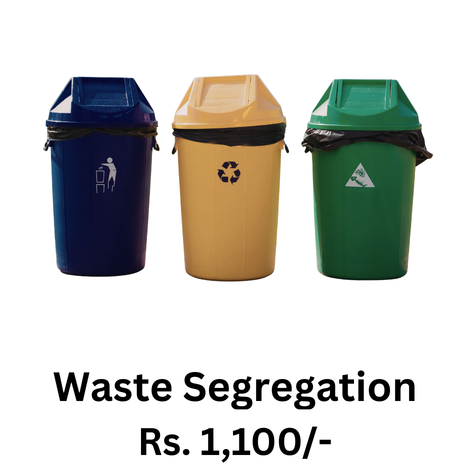
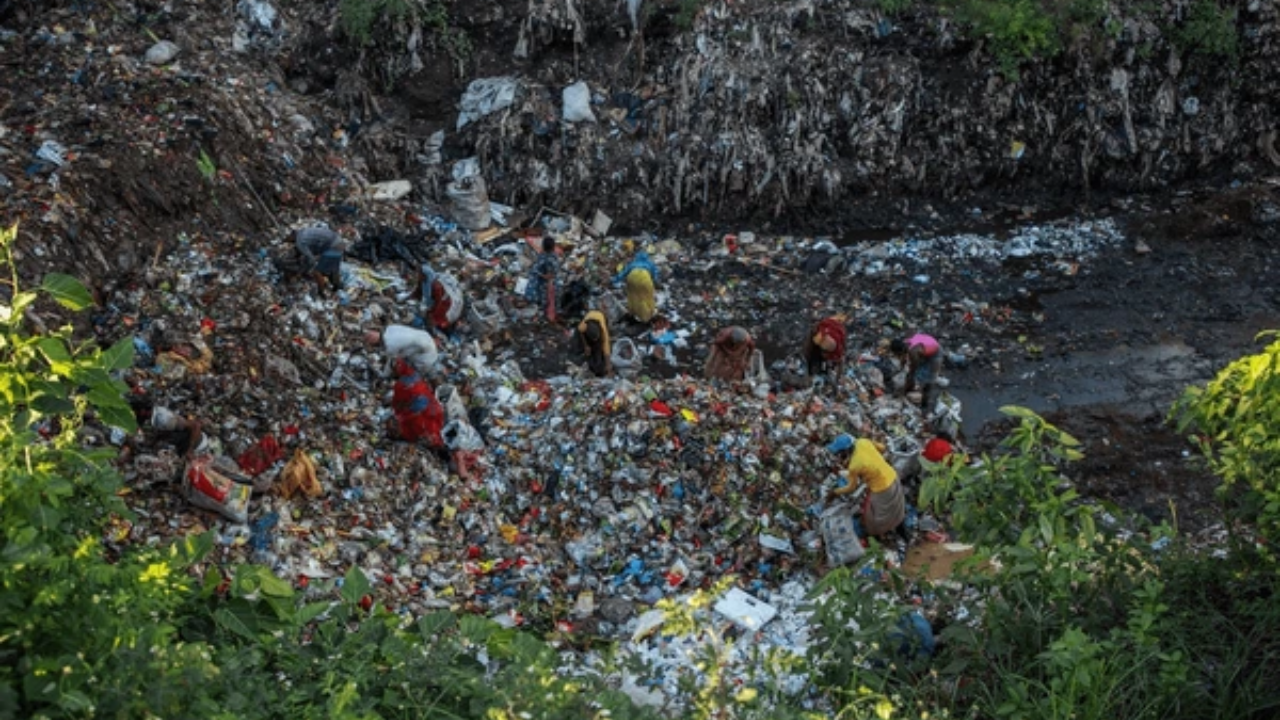
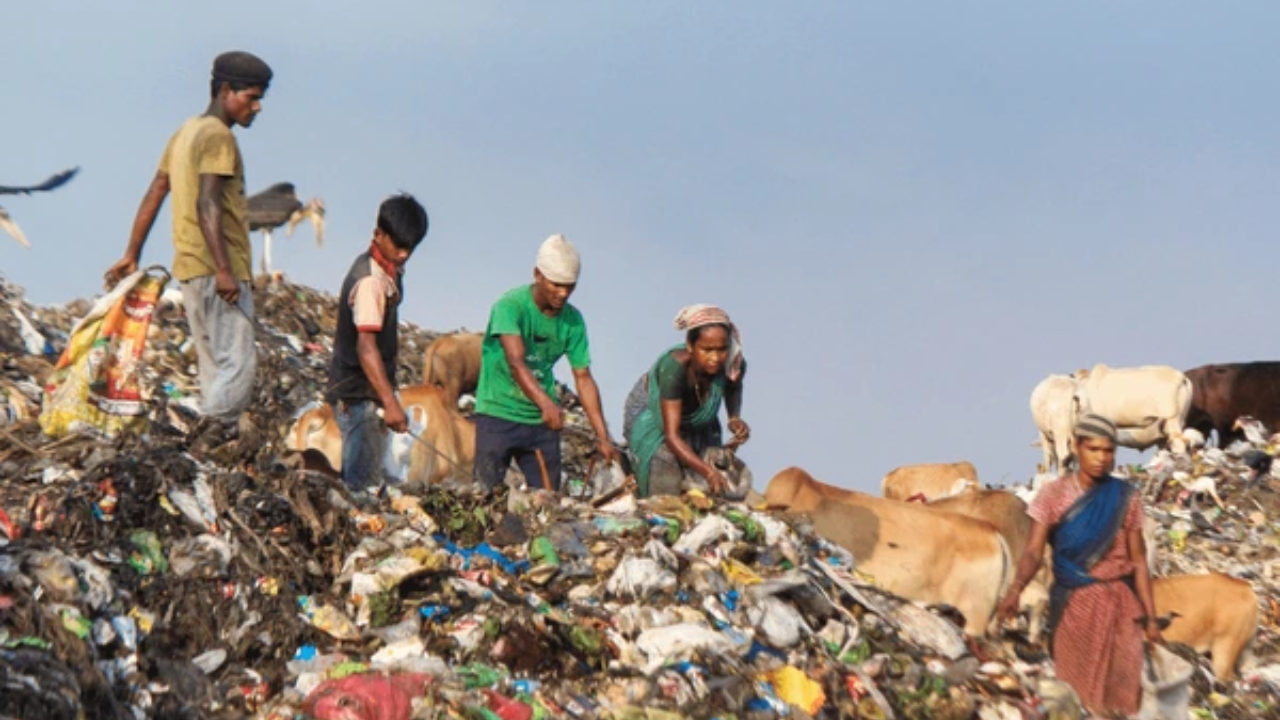
In most cities, waste becomes a problem long before it reaches a dumping ground. The real failure happens at the point where dry and wet waste are mixed together. Once contaminated, recyclable paper loses grade quality, plastic cannot be processed efficiently, and organic waste begins releasing harmful gases. Proper segregation restores value. Paper, plastic, cloth, and metal regain their resale potential. Organic waste can be processed instead of decomposing in open landfills. When segregation becomes a daily discipline rather than an occasional effort, landfill dependency reduces and recovery rates improve. Responsible waste handling begins at the first point of disposal, not at the final point of dumping.
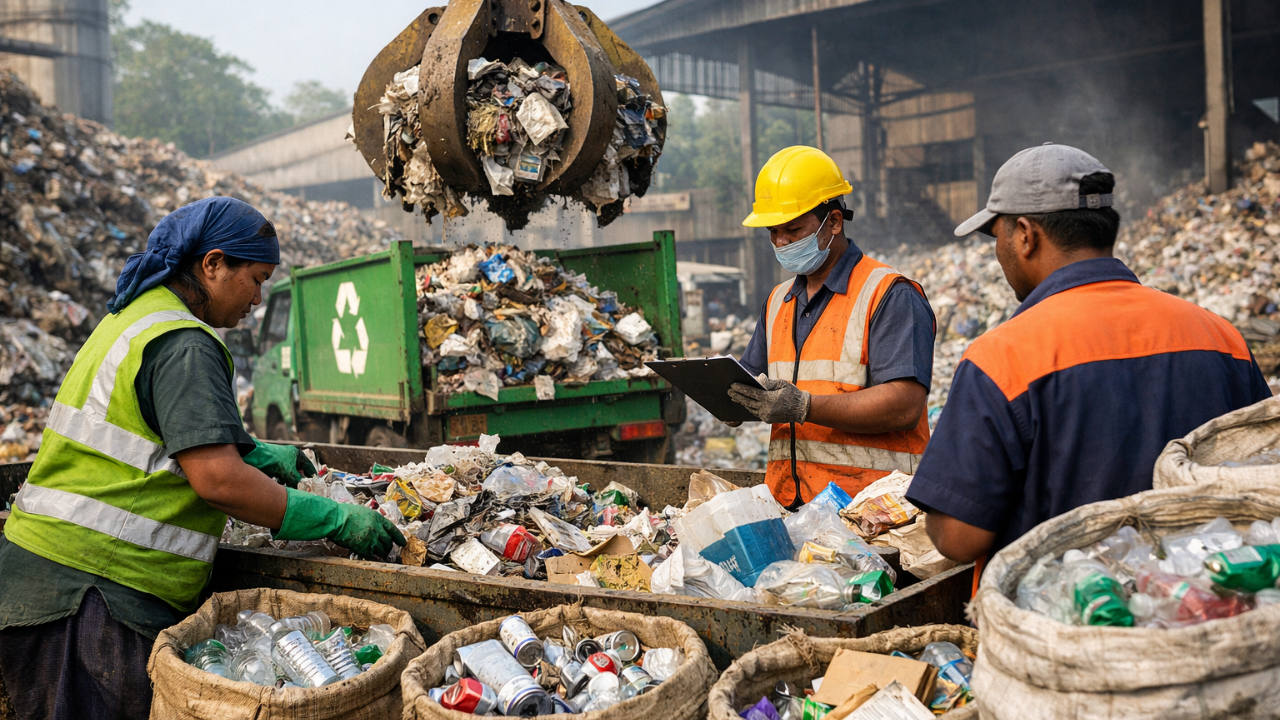
Large institutions generate predictable waste streams every day. Aviation units discard used service materials and packaging in large quantities. Hospitality establishments often generate 8–12 tons of organic waste daily. Without organized routing, these volumes quietly add to municipal pressure. When recovery channels are predefined and documented, dry waste moves into recycling cycles and organic waste is processed through regulated pathways. Plastic material can be converted into recycled granules with partial reuse integration, reducing the demand for virgin plastic production. Material flow tracking strengthens compliance and prevents informal leakages. Waste does not disappear; it either burdens landfills or re-enters production cycles. The difference lies in management.
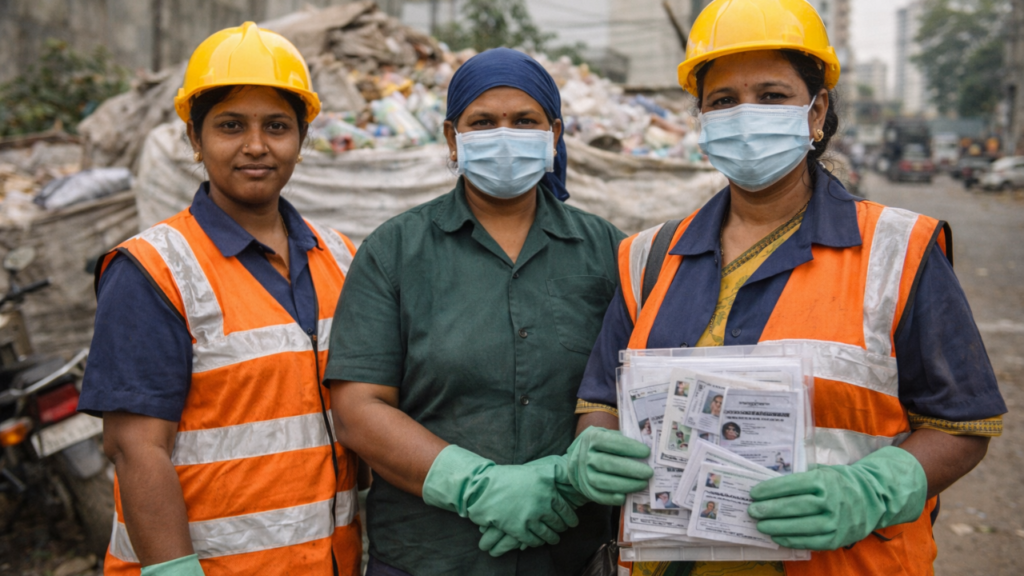
Every ton of waste diverted from landfill reduces methane emissions and lowers carbon intensity. When diversion is measured, environmental responsibility becomes quantifiable rather than symbolic. Carbon accounting is possible only when segregation, transportation, and recovery are documented with accuracy. Alongside environmental gains, structured waste networks generate income for collection vendors and small-scale aggregators who form the operational backbone of recycling. Organized inclusion improves earnings stability and material recovery efficiency. Environmental correction and livelihood security do not operate separately; they strengthen each other. Cities move toward sustainability when waste is treated as a recoverable asset, not as an inconvenience to be discarded.
“Waste is not just trash it is lost resources and lost responsibility”
We will share recent updates and progress of this campaign here. Stay tuned for the latest developments and success stories.