
February 17, 2025
February 17, 2025
February 17, 2025
February 17, 2025
“Healthcare should depend on medical need, not financial capacity”
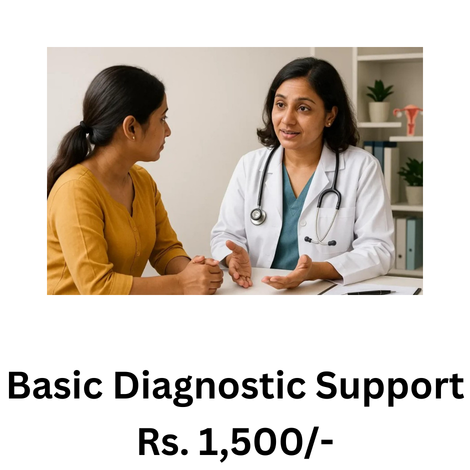
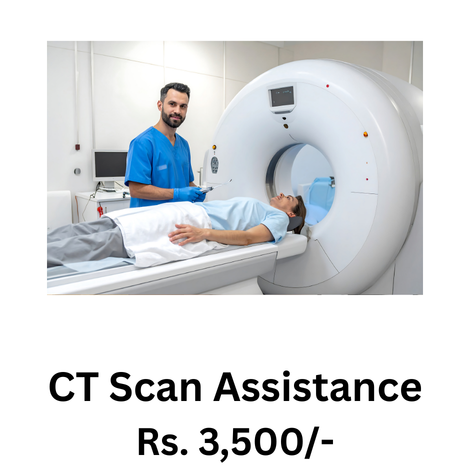
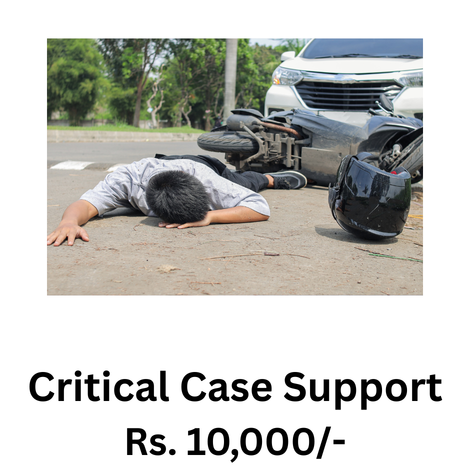
For many low-income families, the first medical recommendation itself becomes a financial shock. A CT scan or MRI often costs more than what a household earns in an entire month. When money is not immediately available, tests are postponed. Symptoms are ignored. Conditions worsen quietly. By the time treatment begins, the complexity and cost multiply. Early diagnosis determines survival in cases involving brain injury, cardiac risk, internal bleeding, tumors, and chronic illness. Access to imaging and pathology should depend on medical need, not purchasing power. Making diagnostic services affordable prevents medical conditions from turning into irreversible emergencies.
Negotiated hospital partnerships and structured rate agreements reduce the burden of high-cost diagnostics. Lowered pricing for CT scans, MRI tests, and other imaging services ensures that families do not fall into debt before treatment even begins. For households earning below defined income limits, full support becomes essential. In selected hospital cases, partial financial assistance up to 50% reduces immediate strain while allowing treatment to proceed without delay. Clear verification processes, documented approvals, and transparent disbursement maintain accountability. Financial help must move quickly in medical situations; procedural delay can cost more than money.
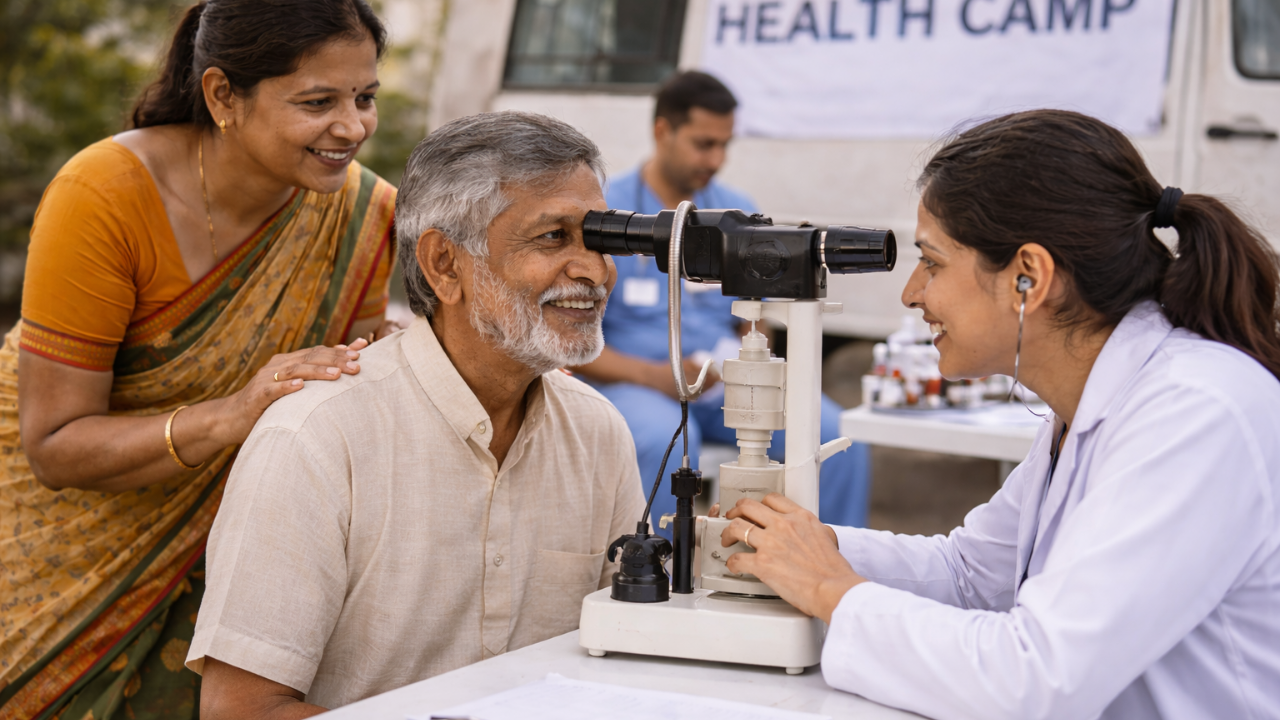
Many economically vulnerable patients struggle with hospital paperwork, consent forms, income verification, and admission coordination. Confusion during emergencies often leads to treatment delays. Assistance in organizing required documents, understanding hospital processes, and securing eligibility approvals prevents unnecessary obstacles. Blood donation drives and preventive health outreach further strengthen readiness during crisis situations. Healthcare dignity begins when patients are treated as individuals seeking solutions, not as cases seeking charity. Timely diagnosis, structured financial support, and organized coordination together reduce suffering and prevent avoidable loss.
“Healthcare should depend on medical need, not financial capacity”
We will share recent updates and progress of this campaign here. Stay tuned for the latest developments and success stories.