
Designing Systems Where Waste Generates Value
- Parag Foundation
- 25 Jan 2026
- Comments
Designing Systems Where Waste Generates Value
India’s urban waste crisis is not simply a question of volume; it is a question of structural design. When waste leaves households, hotels, airports, and commercial establishments without segregation, its recoverable value declines immediately. Paper loses grade quality, plastic becomes contaminated, and organic waste turns into landfill burden. What is commonly labeled as garbage is often recyclable material that was never systematically handled. A disciplined waste ecosystem begins at segregation and ends in accountable recovery — not disposal.
High-volume generators such as aviation units and hospitality chains produce predictable waste streams daily. Used service materials, packaging waste, tissue products, and bulk organic residue require specialized handling pathways. When these streams are redirected through compliance-based recovery systems, dry waste enters recycling channels and organic waste is processed through regulated conversion methods. This reduces landfill pressure, lowers methane emissions, and strengthens environmental compliance standards.
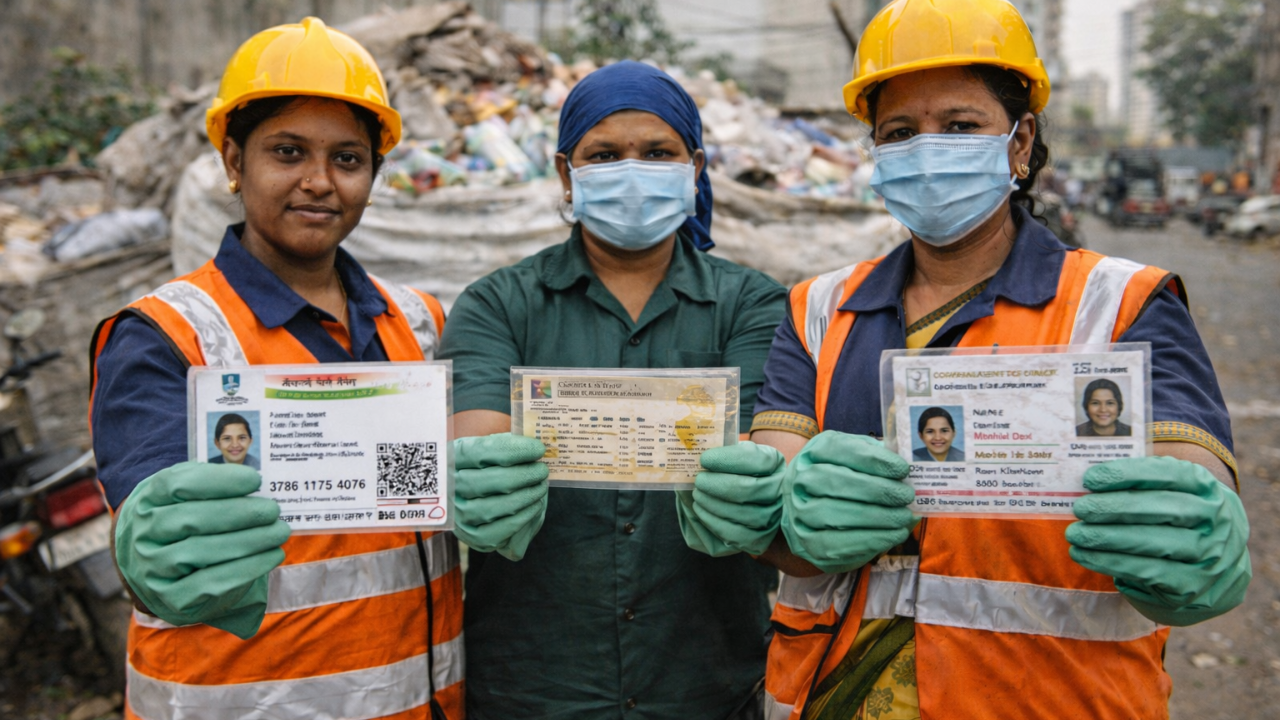
A functional circular economy must also integrate the informal workforce. Waste collectors and vendor networks play a critical operational role but often remain outside formal economic systems. Structured inclusion improves both income predictability and material recovery rates. Recycled plastic granule production with partial reuse integration reduces dependency on virgin plastic, while carbon accounting mechanisms make environmental diversion measurable. Waste management, when executed through documentation and coordination, becomes an economic recovery model — not merely a sanitation function.
The future of urban sustainability depends on traceable systems, institutional accountability, and coordinated material flow. When waste is treated as a resource stream rather than a disposal problem, cities move closer to environmental stability and livelihood resilience at the same time.